What Are the Advantages of Using OEM Auto Glass?
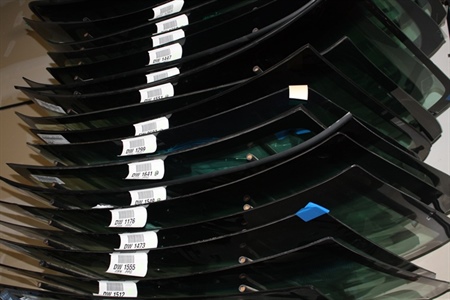
When a windshield or window needs replacement, many vehicle owners face a critical decision between OEM and aftermarket auto glass. OEM (Original Equipment Manufacturer) glass is produced to the same specifications as the original part installed at the factory, which directly affects how the glass performs in real-world conditions. From optical clarity to structural integrity, these differences can influence everything from visibility to long-term durability. Companies like Glasswerks emphasize the importance of precision in auto glass, especially as modern vehicles rely more heavily on advanced safety systems and engineered design standards.
Understanding the advantages of OEM auto glass requires a closer look at how it performs across several key areas. This includes how manufacturing tolerances affect fit and visual accuracy, the role OEM glass plays in vehicles equipped with ADAS systems, and how warranty coverage compares with aftermarket options. It also involves examining how glass thickness contributes to cabin acoustics and whether material quality can impact resale value. Each of these factors plays a measurable role in vehicle performance and ownership experience, particularly when considering auto glass repair or replacement decisions.
How OEM Manufacturing Tolerances Improve Fit and Optical Clarity
OEM auto glass is manufactured under strict tolerances defined by the original vehicle manufacturer, which directly impacts how precisely the glass fits within the vehicle frame. These tolerances account for exact curvature, edge finishing, and mounting points, ensuring that the glass integrates seamlessly with the body structure. Even small deviations in curvature or dimensions can create gaps, stress points, or improper sealing, which may lead to water intrusion or wind noise over time.
Optical clarity is another measurable advantage of OEM glass. The manufacturing process uses higher-grade materials and more consistent lamination techniques, which reduces distortion across the viewing area. In contrast, aftermarket glass may exhibit slight waviness or visual bending due to less stringent production controls. These distortions can affect driver perception, especially in varying light conditions, increasing visual fatigue during long drives.
Precision also affects how the glass interacts with adhesives and mounting systems. A properly fitted windshield contributes to structural rigidity and supports airbag deployment in many vehicles. In discussions about auto glass repair, maintaining factory-level tolerances remains a critical factor in preserving both safety and performance characteristics.
Are OEM Windshields Safer for Vehicles with ADAS Systems?
Advanced Driver Assistance Systems (ADAS) rely on cameras, sensors, and calibration points that are often mounted directly to the windshield. OEM glass is engineered with precise specifications for these systems, including exact thickness, optical properties, and mounting brackets. These elements ensure that forward-facing cameras and sensors operate within their designed parameters.
Aftermarket glass may not consistently meet these specifications, which can lead to misalignment or calibration issues. Even minor differences in curvature or refractive index can alter how sensors interpret distance, speed, and object detection. This is especially critical for features such as lane departure warnings, adaptive cruise control, and automatic emergency braking.
Proper calibration after installation is required regardless of glass type, but OEM glass reduces the likelihood of calibration errors. When considering auto glass replacement, maintaining compatibility with ADAS systems is a key factor in preserving the vehicle’s safety systems as originally designed.
What Warranties Are Offered for OEM vs. Aftermarket Glass?
Warranty coverage for auto glass varies significantly between OEM and aftermarket products. OEM glass typically carries warranties that align with the vehicle manufacturer’s standards, often covering defects in materials, workmanship, and performance over a defined period. These warranties are usually backed by established supply chains and quality assurance processes.
Aftermarket glass warranties can vary widely depending on the manufacturer and distributor. Some offer limited coverage for defects, while others may provide broader guarantees. However, the consistency of these warranties is not always comparable to OEM standards, particularly when it comes to long-term durability or resistance to environmental stress.
Another factor is installation-related warranties, which may cover issues such as leaks or improper sealing. These warranties depend on the installer rather than the glass itself. The distinction between product warranty and installation warranty is critical when evaluating long-term reliability and cost considerations.
How Does Glass Thickness Influence Acoustic Comfort?
Glass thickness plays a measurable role in reducing noise transmission into the vehicle cabin. OEM auto glass is engineered with specific thickness and lamination layers designed to dampen external sounds such as road noise, wind turbulence, and traffic. This contributes to a quieter and more controlled driving environment.
Laminated glass, commonly used in OEM windshields, includes a polyvinyl butyral (PVB) interlayer that absorbs sound vibrations. The thickness and composition of this layer are calibrated to match the acoustic profile of the vehicle. Aftermarket glass may use different materials or thickness levels, which can alter noise reduction performance.
Acoustic comfort is particularly noticeable at highway speeds, where variations in glass composition can lead to increased cabin noise. Over time, these differences can affect overall driving experience, especially in vehicles designed with noise reduction as a priority.
Can Aftermarket Glass Affect Vehicle Resale Value?
Vehicle resale value is influenced by multiple factors, including maintenance history, condition, and the quality of replacement parts. The use of OEM components is often viewed as a positive indicator of proper maintenance, as it suggests adherence to manufacturer standards. This perception can extend to auto glass.
Aftermarket glass may not carry the same level of confidence among buyers or appraisers, particularly if there are visible differences in clarity, fit, or branding. In some cases, documentation showing OEM replacements can support higher resale valuations, especially for newer or higher-end vehicles.
Buyers often look for consistency in materials and components, and deviations from original specifications can raise questions about prior repairs. For those evaluating replacement options, referencing information from Glasswerks can provide insight into how material choices align with long-term vehicle value considerations.
At Glasswerks, we take pride in providing precise, high-quality solutions that align with original manufacturer standards. Located at 3900 Roosevelt Road Suite 105, St Cloud, MN 56301, our team focuses on delivering auto glass services that support proper fit, clarity, and long-term performance. Whether you’re evaluating OEM tolerances, ADAS compatibility, warranty considerations, acoustic comfort, or resale value, our experience allows us to guide you through each factor with accuracy and transparency.
We understand that modern vehicles demand more than just basic glass replacement. From maintaining calibration for advanced safety systems to preserving the structural integrity of your vehicle, every detail matters. If you have questions about your specific vehicle or need professional service, call us at 320-203-7777 or contact us to speak with our team directly.