How Temperature Affects Auto Glass Integrity in Minnesota’s Climate
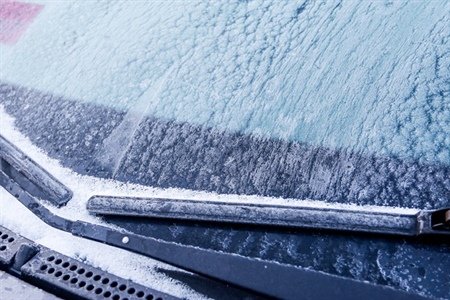
Minnesota’s weather shifts from subzero winters to humid summers, testing every material in a vehicle—including auto glass.
These temperature extremes expand and contract the glass, sealants, and adhesives that bond a windshield to the frame. Over time, such cycles affect the glass’s strength, clarity, and ability to protect passengers.
At Glasswerks, technicians understand how these conditions alter glass behavior and apply installation methods suited to the Midwest climate. Here are the answers to our most asked temperature-related questions.
What Temperature Ranges Increase the Risk of Windshield Cracking?
Windshield glass expands and contracts with temperature shifts, and the rate of this movement increases sharply below 20°F and above 90°F.
At these extremes, small chips or imperfections can propagate into full cracks as internal tension changes. In Minnesota, overnight temperatures can fall below -10°F, especially in January, creating large temperature differentials between the cabin and exterior that stress the glass surface.
Cold weather makes glass more brittle, while heat increases flexibility. When a cold windshield experiences a sudden thermal load—like hot air from a defroster or direct sunlight—it can fracture along pre-existing weaknesses.
The risk is highest when the temperature difference between the interior and exterior exceeds 50°F within a few minutes.
Consistent inspection and timely auto glass replacement prevent these minor defects from worsening during rapid temperature shifts. Technicians at Glasswerks evaluate damage under controlled conditions to determine whether a repair or replacement best preserves the windshield’s strength.
How Does Rapid Defrosting or AC Use Stress Auto Glass?
When drivers switch from extreme cold to high-heat defrosting, the glass surface experiences uneven heating. The center of the windshield warms faster than the perimeter, producing internal stress gradients that may lead to cracking or delamination.
Similarly, in hot weather, turning the air conditioning to maximum cools the inner layer rapidly while the exterior remains hot, reversing the stress direction.
These abrupt temperature changes cause a condition known as “thermal shock.” Even if the glass does not visibly crack, microscopic fractures can form along the laminate interlayer, weakening impact resistance.
Continuous thermal stress also accelerates edge deterioration where adhesives and moldings meet the glass surface.
Controlled temperature adjustments and gradual defrosting protect the glass from rapid expansion.
Avoid directing high heat or cold air onto one spot, as this uneven exposure produces localized tension that shortens glass lifespan. Vehicle manufacturers recommend stepwise defrost settings to reduce stress on bonded glass panels.
Which Sealants Perform Best in Cold Midwest Conditions?
Sealant performance in Minnesota’s cold depends on polymer chemistry and cure temperature tolerance. Urethane-based adhesives formulated for low-temperature curing, such as moisture-cure or fast-cure hybrid systems, maintain flexibility and adhesion below 40°F.
These products are engineered with modified isocyanate structures that resist embrittlement and maintain tensile strength after freeze-thaw cycles.
Conventional sealants harden and lose elasticity in freezing conditions, compromising their ability to absorb stress from glass expansion and contraction. High-modulus cold-weather urethanes remain pliable, allowing the windshield to move without breaking the adhesive bond.
The Auto Glass Safety Council (AGSC) requires these adhesives to meet Federal Motor Vehicle Safety Standard (FMVSS) 212 for retention strength in subzero conditions.
Professional installers in Minnesota choose low-temperature rated sealants verified for moisture stability and UV resistance. These products ensure a reliable seal that endures snow, ice, and road salt exposure throughout extended winters.
Can Thermal Cycling Weaken Adhesives Over Time?
Thermal cycling—repeated heating and cooling—causes materials to expand and contract at different rates. Over months or years, these cycles can fatigue the adhesive bond between glass and metal, leading to gradual delamination or water intrusion.
Each cycle produces minor shifts in the molecular alignment of the adhesive polymer, reducing cohesive strength if not properly formulated.
Tests conducted under accelerated weathering chambers show that unprotected urethane bonds can lose up to 15% of tensile strength after 1,000 thermal cycles between -20°F and 120°F. This degradation reduces the glass’s ability to resist detachment during impact. Exposure to ultraviolet radiation further accelerates this process by breaking down the polymer’s crosslinks.
Using primers, corrosion inhibitors, and UV-stabilized adhesives mitigates this long-term stress. Technicians certified through AGSC training follow strict curing and inspection standards to prevent early-stage failure caused by temperature cycling or environmental exposure.
How Can Drivers Prevent Seasonal Windshield Damage?
Minnesota drivers can protect their windshields through routine inspection and proper seasonal care.
Avoid sudden temperature shifts by warming the vehicle interior gradually and clearing ice with plastic scrapers instead of hot water. Parking in covered areas reduces exposure to direct sunlight and frost cycles that expand existing chips.
Applying hydrophobic coatings or windshield protectants minimizes moisture absorption and ice adhesion, lowering stress during freeze-thaw cycles.
Keeping washer fluid levels high and using winter-grade blends helps maintain visibility and reduces chemical stress on seals. For repaired or replaced glass, always allow adhesives to fully cure before driving in extreme temperatures.
When in doubt, schedule a professional inspection through Glasswerks. Our team, reachable at 320-203-7777, provides expert assessment and replacement using adhesives rated for Minnesota’s challenging temperature range.
Glasswerks: Precision Glass Installation for Minnesota Conditions
Glasswerks technicians are trained to address the thermal and mechanical stresses unique to the Midwest. Every installation follows AGSC and FMVSS standards using high-performance adhesives designed for temperature extremes. Each replacement is carefully inspected to confirm full curing, proper bond alignment, and seal integrity.
With years of experience serving Minnesota’s drivers, Glasswerks combines precision workmanship with locally proven materials to extend the lifespan of every windshield. For service or consultation, reach the team through the contact us page.
Protect your vehicle with expert care that withstands Minnesota’s harshest seasons. Choose Glasswerks for professional installation, reliable materials, and unmatched attention to temperature-related safety standards.