Yes, Proper Auto Glass Installation Does Impact Vehicle Safety
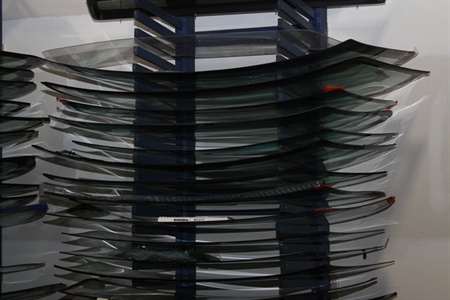
Proper auto glass installation plays a direct role in how a vehicle performs during a crash. When installed correctly, a windshield contributes to structural strength, passenger protection, and airbag performance.
Faulty installation, by contrast, can lead to roof collapse, ejection risks, and failed safety systems. Glasswerks emphasizes precision workmanship in every auto glass replacement to maintain manufacturer safety standards.
This article explores the science behind windshield safety and installation integrity, as each section focuses on factual insight backed by automotive safety research and industry best practices.
Structural Safety Roles of a Windshield During a Collision
A properly installed windshield is a structural component, not just a barrier against wind. In a rollover or head-on collision, the windshield provides up to 60% of the vehicle’s cabin strength by preventing roof collapse and supporting the A-pillars.
When bonded with the correct urethane adhesive, the glass helps maintain cabin integrity, keeping passengers within the safety cell. Automotive engineers design the windshield to act as a tension member during impact, absorbing part of the crash load.
If the adhesive seal is compromised, even slightly, that structural bond weakens. During testing, improperly bonded windshields detach under pressure, causing significant deformation of the upper cabin. That deformation can break the structural link between the windshield and vehicle frame, allowing the roof to crumple inward and raising injury risk.
For this reason, certified technicians use manufacturer-approved adhesives and follow curing procedures identical to those used in factory assembly lines.
Proper auto glass replacement maintains these safety margins and prevents post-collision failure of the windshield structure.
How Poor Installation Affects Airbag Deployment
Front airbags deploy at speeds exceeding 150 mph and rely on the windshield as a backstop to deflect and cushion the passenger.
If the windshield detaches upon airbag impact due to poor adhesive bonding or misalignment, the airbag loses its rebound surface and cannot protect the occupant as intended. This often results in direct impact with the dashboard or steering wheel, leading to severe injuries.
A windshield that separates during deployment creates a breach in the vehicle’s safety envelope. The loss of adhesion is most commonly linked to unprimed glass, incorrect urethane application, or premature vehicle release before full adhesive curing.
Automotive testing shows that vehicles released before proper adhesive curing exhibit as much as 80% weaker retention strength under airbag load.
Certified auto glass technicians prevent this failure by using high-modulus urethane, maintaining correct temperature and humidity during installation, and verifying minimum safe drive-away time.
Proper installation directly supports occupant protection by preserving airbag trajectory and energy absorption capability.
Standards Professional Installers Follow for Adhesive Curing
Professional installers follow adhesive curing standards established by the Auto Glass Safety Council (AGSC) and the Federal Motor Vehicle Safety Standards (FMVSS 212 and 208).
These standards specify how long a vehicle must remain stationary for the urethane adhesive to reach adequate bonding strength. Factors such as adhesive brand, humidity, and ambient temperature determine the minimum safe drive-away time.
Each adhesive system includes technical data sheets detailing curing rates and required surface preparation steps.
Technicians follow these parameters precisely to avoid under-cured bonds that compromise safety. Most installations require a curing period of one to three hours before the vehicle is released to ensure full structural adhesion between the glass and the pinch weld.
Following proper curing protocols ensures the glass performs correctly in a crash, maintaining alignment and integrity.
Professional adherence to AGSC and FMVSS requirements is what separates certified technicians from unqualified installers in terms of both reliability and safety assurance.
OEM Glass vs. Aftermarket Glass in Crash-Test Performance
Original Equipment Manufacturer (OEM) glass is designed and tested to meet the specific load-bearing, optical, and fitment tolerances of a particular vehicle model.
During crash tests, OEM windshields consistently retain proper adhesion and alignment due to their exact curvature and thickness specifications.
Aftermarket glass, though often comparable in appearance, may vary slightly in edge contour or composition, which can affect bonding pressure and visibility.
Studies from the Insurance Institute for Highway Safety (IIHS) show that vehicles fitted with OEM glass maintain higher retention rates during simulated rollovers.
Even small variances in glass thickness can change how the urethane cures, altering the safety margin during structural load. Optical calibration differences can also affect ADAS sensor performance integrated into modern windshields.
Glasswerks prioritizes precision when sourcing replacement parts and ensures compatibility with OEM standards to preserve vehicle safety performance. Maintaining this standard helps avoid issues associated with poorly fitted or substandard aftermarket materials.
Inspections That Confirm a Safe Windshield Bond
After installation, multiple inspection steps confirm that the windshield bond meets structural and safety requirements. Technicians visually inspect the bead profile for uniformity, ensuring there are no voids or air gaps along the adhesive line.
They also check for full seating of the glass against the pinch weld and verify that all trim and moldings align evenly with the frame.
In advanced installations, technicians may use bond strength testers or ultraviolet scanners to confirm adhesive curing.
Safe bonding is further validated by checking that the adhesive meets manufacturer specifications for tensile strength and by verifying that all glass edges are free from stress cracks or contamination.
Routine post-installation inspections and periodic glass assessments reduce long-term safety risks. Customers who notice any distortion, leaks, or movement should immediately request an inspection from Glasswerks to confirm structural integrity and prevent potential failure under stress.
How Glasswerks Ensures Safe & Reliable Installation
Glasswerks combines technical expertise with manufacturer-approved materials to maintain structural integrity across every service. Our team uses certified adhesives and AGSC-compliant procedures to meet FMVSS crash safety standards.
Customers can schedule or inquire by calling 320-203-7777 or through the contact us page.
For precision, safety, and certified craftsmanship, trust Glasswerks to restore your vehicle’s original crash-tested strength and visual clarity through expert installation and thorough inspection practices.